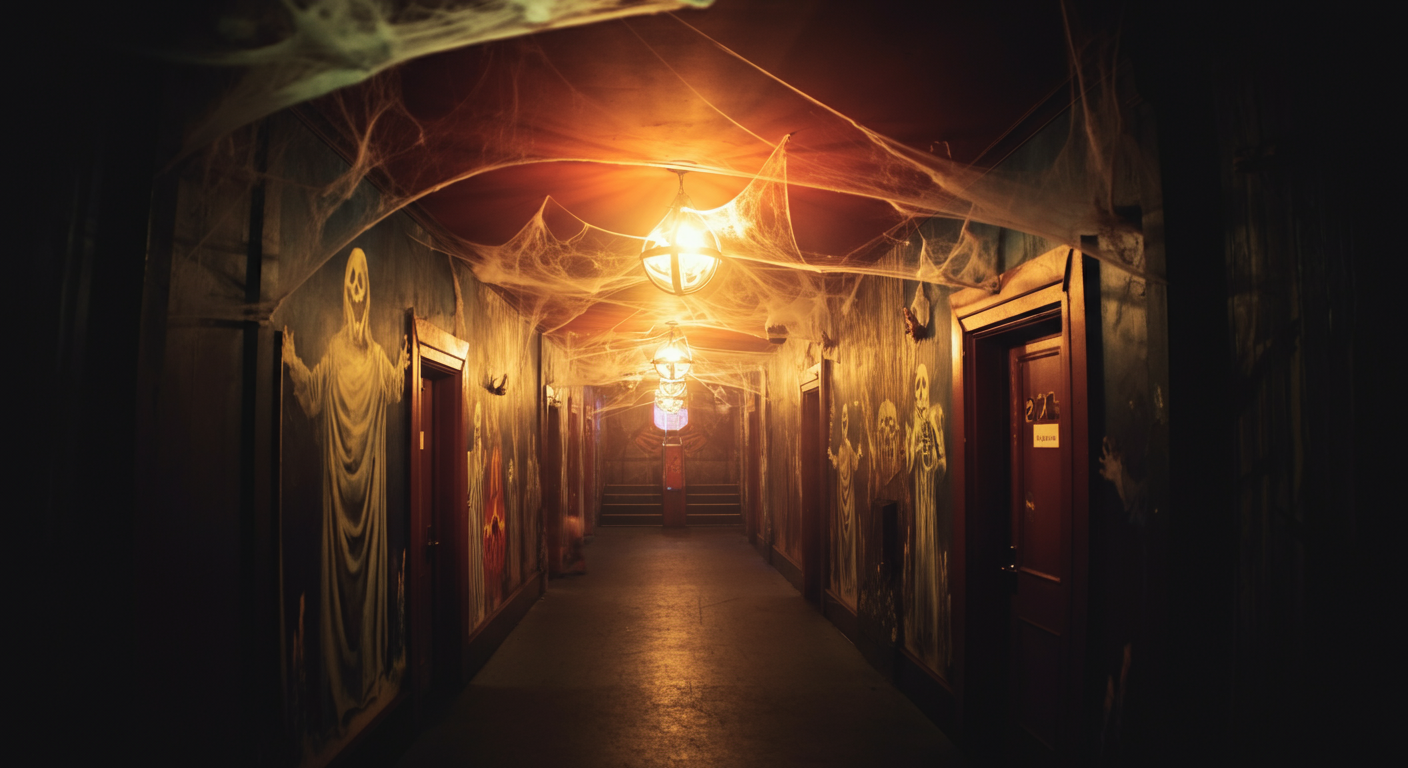
You seek fear in the unknown. In a horror attraction, tension builds when you cannot predict what happens next. The silence before a sudden movement creates suspense that chills your spine. If the ride system feels rigid, you lose immersion. Trackless ride systems for horror houses give you freedom to design moments that surprise, hesitate, and terrify. They’re also widely used in other indoor attractions—see more use cases here.
Key Takeaways
- Trackless ride systems enhance unpredictability, increasing suspense and fear in horror attractions.
- These systems allow for unique experiences on repeat visits, keeping guests engaged and eager to return.
- Flexibility in design enables updates and changes without major renovations, supporting creative storytelling.
- Trackless technology adapts to various layouts, maximizing space and delivering impactful scares in tight areas.
- Dynamic routing and vehicle coordination create immersive experiences that respond to guest interactions.
Why Traditional Ride Design Doesn’t Work for Horror Attractions
Fear Is Stronger When Movement Feels Unplanned
You experience the most intense fear when you cannot predict what happens next. Traditional ride systems follow fixed tracks, making every twist and turn expected. In horror house ride systems, unpredictability is essential. When movement feels unplanned, your senses stay alert. Sudden stops, unexpected turns, and pauses build suspense. The timing of scares often matches the ride’s movement, amplifying the thrill. You notice that jump scares rely on surprise and precise timing. Attractions use sudden loud noises or startling visuals to catch you off guard. These moments become more powerful when the ride’s path is not obvious.
- Jump scares depend on surprise and timing.
- Unexpected events, like loud noises or visuals, catch you off guard.
- Scares synchronize with ride movement to increase intensity.
Fixed Routes Make Repeat Visits Predictable
You lose excitement when you know what will happen next. Fixed routes make repeat visits less engaging. If you return to the same horror attraction, you remember where the scares are. The experience becomes routine. Trackless ride systems for horror houses solve this problem. Vehicles can take different paths, pause in new places, or change direction. Each visit feels unique. You never know which corner holds the next fright. This unpredictability keeps you invested and eager to return.
Repeat visits should feel fresh and suspenseful. Trackless systems help you avoid predictability and maintain emotional engagement.
Creative Horror Concepts Often Outgrow the Ride System
You want immersive trackless attractions that adapt to new ideas. Traditional ride systems limit creativity. Designers must fit their concepts into the track layout. If you plan interactive dark rides, you need flexibility. Trackless systems allow you to update scenes, add new scares, or change the route without rebuilding the entire attraction. You gain freedom to experiment and evolve your horror experience. This adaptability supports dynamic storytelling and keeps your attraction relevant.
What Trackless Ride Systems Make Possible in Horror Houses
Multiple Routes That Change the Experience Each Time
You want every visit to feel unique. Trackless ride systems for horror houses allow vehicles to follow different paths, so you never know what awaits around each corner. This flexibility creates replay value and keeps guests guessing. Attractions like 'Pooh's Hunny Hunt' use electronic sensors to guide vehicles along varied routes, making each ride unpredictable. You experience new scares and scenes every time, which increases excitement and engagement.
Tip: Dynamic routing lets you surprise guests and adapt the story for special events or seasonal changes.
| Feature | Trackless Systems | Tracked Systems |
|---|---|---|
| Immersive Experience | Allows for a more interactive storytelling experience through dynamic routing. | Limited to fixed paths. |
| Vehicle Coordination | Multiple vehicles can operate simultaneously in the same scene, enhancing interaction. | Vehicles follow a predetermined path. |
| Navigation Technology | Utilizes WiFi, RFID, and LPS for precise vehicle positioning and movement. | Relies on physical tracks for movement. |
Trackless ride systems for horror houses give you the power to design immersive trackless attractions that adapt to your creative vision. You can update routes, add new scenes, or change the order of scares without major construction. This flexibility supports interactive dark rides and keeps your horror house ride systems fresh. For a detailed comparison, see our guide on Trackless vs Tracked Dark Rides.
Letting Vehicles Pause, Turn, or Hesitate to Build Tension
You control the pace of fear. Trackless ride systems for horror houses let vehicles pause, turn, or hesitate in ways that traditional tracked systems cannot. You build suspense by stopping a vehicle in a dark corner or making it spin unexpectedly. These moments of hesitation heighten anxiety and anticipation. Guests feel vulnerable when the ride slows or stops, unsure of what will happen next.
- Vehicles can pause in front of a scare, increasing tension.
- Sudden turns or spins disorient guests and amplify fear.
- Hesitation creates suspense and makes each scare more impactful.
You use these features to craft interactive dark rides that respond to guest reactions. The ride becomes a living part of the story, not just a means of transportation. You can coordinate multiple vehicles in the same scene, making them interact or "dance" together, which is impossible with traditional horror house ride systems.
Triggering Scares Depending on Where the Ride Moves
You personalize the horror experience. Trackless ride systems for horror houses allow you to trigger scares based on the vehicle's location. Sensors and navigation technology, such as WiFi, RFID, and LPS, track each vehicle's position. You activate effects, animatronics, or lighting only when a vehicle enters a specific area. This precision makes scares feel targeted and unexpected.
- Scares trigger only when a vehicle reaches a certain spot.
- Effects can change depending on the route, keeping guests off balance.
- Multiple vehicles can experience different scares in the same scene.
You design immersive trackless attractions that adapt to guest choices and movement. The ride system becomes an invisible partner in storytelling, supporting interactive dark rides that evolve with each visit. You maintain suspense and surprise, ensuring your horror house ride systems deliver unforgettable moments.
Designing Horror Attractions Inside Existing Buildings
Working Around Columns, Corners, and Irregular Layouts
You often face unique challenges when you install horror house ride systems in existing buildings. Old structures have columns, tight corners, and uneven layouts. Trackless ride systems give you the flexibility to move vehicles around these obstacles. You do not need to tear down walls or build new floors. Vehicles can navigate through narrow spaces and turn sharp corners with ease. This adaptability lets you use every inch of the building for scares.
Safety remains a top priority. You must check for tripping and slipping hazards, such as loose cords or uneven flooring. Props and decorations should stay away from fire hazards. Always keep emergency exits clear and perform regular safety checks to prevent injuries in dark environments. Proper ventilation is also important, especially if you use fog or special effects.
Creating High-Impact Scares in a Small Footprint
You can deliver big scares even in small spaces. Immersive trackless attractions allow you to design interactive dark rides that maximize every square foot. Vehicles can pause, reverse, or change direction to create suspense in tight areas. You do not need a large building to create memorable moments. Instead, you focus on timing, lighting, and sound to heighten fear.
- Vehicles can stop suddenly to build tension.
- You can trigger scares from unexpected angles.
- Small rooms become intense when guests cannot predict what happens next.
You use the building’s quirks to your advantage. A narrow hallway or hidden alcove becomes the perfect spot for a surprise.
Adjusting Layouts Without Rebuilding the Attraction
You gain the power to update your horror house ride systems without major construction. Trackless systems let you reconfigure routes for new events or seasonal themes. You do not need to remove tracks or invest in expensive renovations. Vehicles can follow new paths, avoid temporary obstacles, or test different layouts with minimal cost.
- You can change routes for special events or holidays.
- Vehicles navigate around construction zones without stopping the attraction.
- You test new scare sequences before making permanent changes.
- The system grows with your needs, expanding as your attraction becomes more popular.
This flexibility keeps your interactive dark rides fresh and exciting. You adapt quickly to trends and guest feedback, ensuring your immersive trackless attractions stay ahead in the industry.
Where Trackless Horror Attractions Are Being Used Today
Permanent Indoor Horror Houses
You see trackless ride systems for horror houses used in permanent indoor attractions that aim to deliver high-quality scares year-round. HorrorVille stands out as a prime example. This venue features 'Pennywise's Nightmare Circus,' a trackless dark ride that immerses you in chilling scenes inspired by classic horror films. The ride moves you through unpredictable routes, allowing each visit to feel unique. Designers use immersive trackless attractions to create environments where you never know what will happen next. You experience interactive dark rides that adapt to new storylines and scenes, keeping the attraction fresh and engaging.
Permanent horror houses rely on flexibility. You can update scenes, add new scares, or change the ride path without major renovations.
Seasonal Horror Events and Limited-Time Experiences
You encounter trackless ride systems at seasonal events, especially during Halloween. Operators use portable and modular designs to set up horror house ride systems quickly. These systems allow you to enjoy immersive theming, such as ghost trains with zombies, witches, and haunted houses. You benefit from layouts that adjust to available space and audience demographics. Annual updates introduce new scenes and technology, encouraging repeat visits.
| Feature | Description |
|---|---|
| Portable and Modular Designs | Quick setup and customization for event themes. |
| Immersive Theming | Ghost trains feature zombies, witches, and haunted houses. |
| Seasonal Operation | Operates during peak seasons, maximizing audience reach. |
| Customization | Layouts adjust based on space and demographics. |
| Upgrades | Annual updates keep guests interested. |
| Marketing | Limited-time promotions drive attendance. |
Seasonal attractions use trackless ride systems for horror houses to maximize flexibility and guest engagement.
Mall-Based and Pop-Up Horror Attractions
You find immersive trackless attractions in malls and pop-up venues. These locations often have space constraints and irregular layouts. Trackless ride systems let you navigate around obstacles, making the most of every corner. You experience interactive dark rides that deliver high-impact scares in a compact footprint. Operators can change routes or scenes quickly, adapting to new trends or audience feedback. You enjoy horror house ride systems that bring suspense and surprise to unconventional spaces.
Mall-based and pop-up horror attractions use trackless technology to create memorable experiences in places you least expect.
How to Know if a Trackless Ride System Fits Your Project
Projects That Rely on Replay Value and Variation
You want guests to return and experience something new each time. Trackless horror house ride systems excel when you need replay value. Vehicles can follow different routes, pause in unexpected places, or trigger unique scares. You create immersive trackless attractions that adapt to guest choices. If your project relies on variation, you gain a powerful tool for keeping your audience engaged.
Tip: Use dynamic routing to surprise guests and encourage repeat visits.
Teams Planning Story or Scene Updates Over Time
You plan frequent updates to your interactive dark rides. Trackless systems offer flexibility and speed when you change themes or scenes. Modular builds let you deploy new content quickly. You give guests control through interactive elements, making each visit feel personal.
| Benefit | Description |
|---|---|
| Flexibility in ride themes | You gain freedom in movement and layout for new stories. |
| Accelerated deployment | Modular builds allow for faster updates and changes. |
| Enhanced guest interaction | Guests make decisions that shape their experience. |
You keep your horror house ride systems fresh and relevant by updating scenes without major construction.
Locations With Space or Structural Constraints
You face challenges with columns, tight corners, or unusual layouts. Trackless systems adapt to various environments. You operate immersive trackless attractions indoors, regardless of weather. Tracked systems require more infrastructure and power, which limits your options.
- Trackless systems fit different spatial configurations.
- Indoor attractions operate year-round.
- Tracked systems impose structural constraints and higher power needs.
Practical Checklist for Operators
You evaluate several factors before choosing a trackless system:
- Safety: Ensure clear emergency exits and regular maintenance checks.
- Theming Integration: Confirm that props and effects align with your story and layout.
- Budget: Compare costs over ten years.
| Cost Factor | Trackless System (10 years) | Traditional System (10 years) |
|---|---|---|
| Initial Cost | $1.2M | $1.8M |
| Energy Consumption | Higher | Lower |
| Maintenance Labor | 12–16 hrs/month | 3–4 hrs/month |
| Part Lead Time | 14 weeks | 72 hours |
| Software Fees | $12K–$35K/year | N/A |
| Staff Training | $4,500+/session | N/A |
You weigh flexibility, guest experience, and operational costs. Trackless horror house ride systems deliver immersive trackless attractions and interactive dark rides that evolve with your vision.
Conclusion
You create the most effective horror house ride systems when you embrace unpredictability. Research shows that unpredictable scenarios heighten excitement and enjoyment in horror attractions. Trackless ride systems give you control over interactive dark rides, letting you customize movement and storytelling for immersive trackless attractions. You benefit from creative freedom, reduced construction costs, simplified maintenance, and improved safety.
| Benefit | Description |
|---|---|
| Creative Freedom | Irregular layouts enhance storytelling and guest immersion. |
| Reduced Construction | Lower installation costs compared to traditional tracks. |
| Simplified Maintenance | Easier upkeep and higher uptime. |
| Improved Safety | Automatic collision avoidance keeps guests safe. |
FAQ
What makes trackless ride systems ideal for horror attractions?
You gain flexibility with trackless ride systems. Vehicles move unpredictably, which increases suspense. You can update scenes easily and create immersive trackless attractions that surprise guests every visit.
How do interactive dark rides enhance the guest experience?
You interact with the environment. Sensors trigger scares based on your location. You experience unique moments each time, which keeps you engaged and encourages repeat visits.
Can you install horror house ride systems in existing buildings?
You can install horror house ride systems in older or irregular spaces. Trackless technology adapts to columns, corners, and tight layouts. You maximize every square foot for scares.
Are immersive trackless attractions safe for guests?
You benefit from automatic collision avoidance and real-time monitoring. Operators perform regular safety checks. Emergency exits remain clear, and staff receive specialized training for interactive dark rides.
What is the maintenance process for trackless ride systems?
You schedule monthly maintenance. Technicians check sensors, software, and vehicle batteries. You replace parts as needed. Routine inspections keep immersive trackless attractions running smoothly.


